The studio
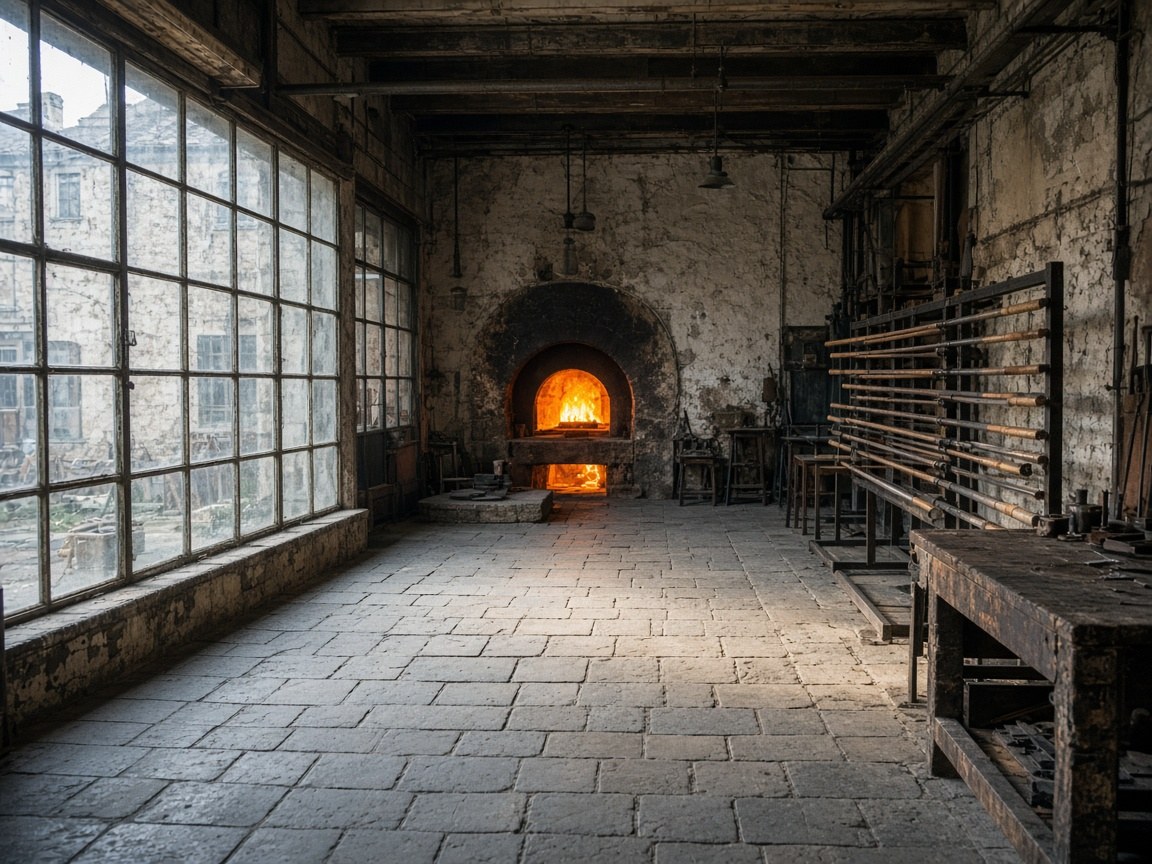
Stone that held crusaders now holds a kiln
9 Weizmann Street, Old Acre. A vault with a round-arched door, a chimney that had to be negotiated with the Old City, and six makers who treat the Mediterranean as a palette, not a postcard.
Crusader-era stone
A vault, not a white cube
The room was never designed for tourists with cameras. It was a store, then a workshop, then — after 2011 — a glass studio that could take the thermal shock of a glory hole without cooking the neighbours. The walls are metres thick in places. That mass is useful: it holds night cool and day heat the way a kiln jacket does, only slower.
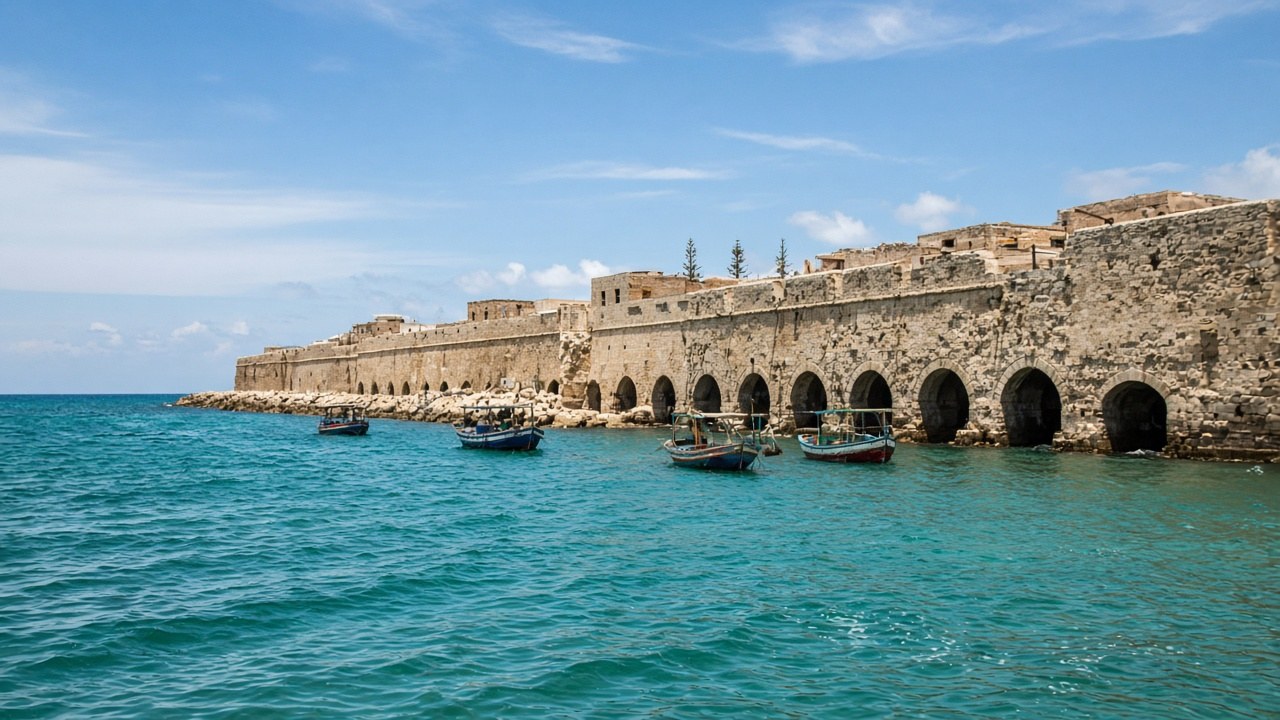
Salt air from the fishing harbour moves through the lane. We keep the cold shop on the street side so grinding dust does not ride the same current as the annealer vents. The hot shop sits deeper in the vault, where a missed gather is a mess on concrete, not a story for a cruise-ship itinerary.
Acre Kiln Glass is not a gallery that happens to own a kiln. Work is photographed here because it is made here. If a piece is still in the annealer, the shelf is empty. We would rather show a cooling cycle than a room of imported objects with local labels.
 Port side
 Glory hole
The kiln
Two kinds of fire in one address
Hot-shop work lives in the glory hole: 1100°C, a door that blinds you for a second, pipes that pick up a skin of glass and bring it to the bench. Kiln-formed work lives in the electric kiln: programmed ramps, holds at fusing temperature, then the long anneal that thick slabs demand.
The two fires argue with each other in a useful way. A blown bowl can be too thin at the lip and still look finished; a fused slab that is rushed will crack on the grinding wheel three days later. The studio schedule is built around whichever load is least forgiving that week.
We do not restore church windows as a service line. Lead came and grisaille belong to another trade. When someone asks for a memorial panel in the Gothic sense, we send them to restorers. What we will make is a new wall slab with a colour story that can stand next to Acre’s own stone — not a copy of a thirteenth-century light.
The sea as colour teacher
Harbour greens are not a filter
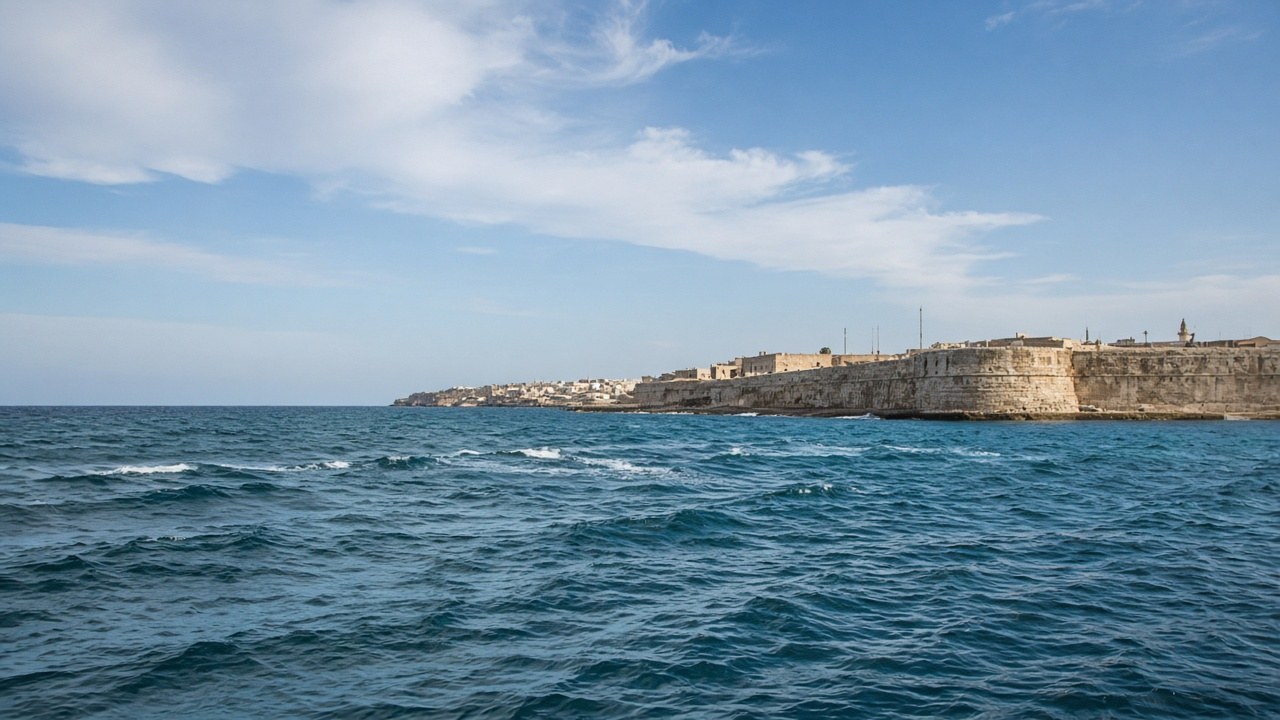
Walk from Weizmann Street to the water and the palette is already decided: copper roofs gone green, wet limestone, diesel, the particular teal of shallow water over sand. We do not “inspire” ourselves with that walk as a slogan. We match it. Selenium pinks are rare in this shop because the harbour does not offer them. Iron greens, cobalt in small doses, and a molten orange reserved for the heat line — those recur.
Sea-glass cullet from the port is washed and sorted, then fused. It is not beach jewellery. It is scrap with a geography. A bottle from the fishing fleet behaves differently in the kiln than a sheet from a Czech factory. We keep notes. The Mediterranean writes the first draft; the kiln board writes the last.
“If the piece could have been made in a climate-controlled mall studio, we have not used the port.”Shop rule, posted by the annealer
 Colour notes
People
Six makers, one company number
Acre Kiln Glass has operated since 2011 under Company No. 516018552. The floor is not a founder-and-intern story. Blowers, a kiln programmer, and cold-shop finishers share the same vault and the same hours: Sunday to Thursday 10:00–18:00, Friday 10:00–13:00, Saturday closed.